0+
Children supported
Lives touched with shelter, therapy, and belonging.
Tuljabhavani Balgruha
A caring home and school for children who need shelter, support, and a path to a brighter future.
Loading…
Tuljabhavani Orphan, Disabled & Mentally Challenged School
Giving Lifelong Care, Love and Family to Orphan & Special Needs Children since 2003
“To serve orphaned, abandoned, disabled, and mentally challenged children through compassionate care, special education, rehabilitation, and social empowerment while creating a nurturing environment that feels like home.”
“To become a center of hope and transformation where every child is accepted, supported, educated, and empowered to lead a meaningful life.”
Behind every figure is a child seen, fed, taught, and loved.
0+
Lives touched with shelter, therapy, and belonging.
0
Serving with patience and heart since 2003.
0+
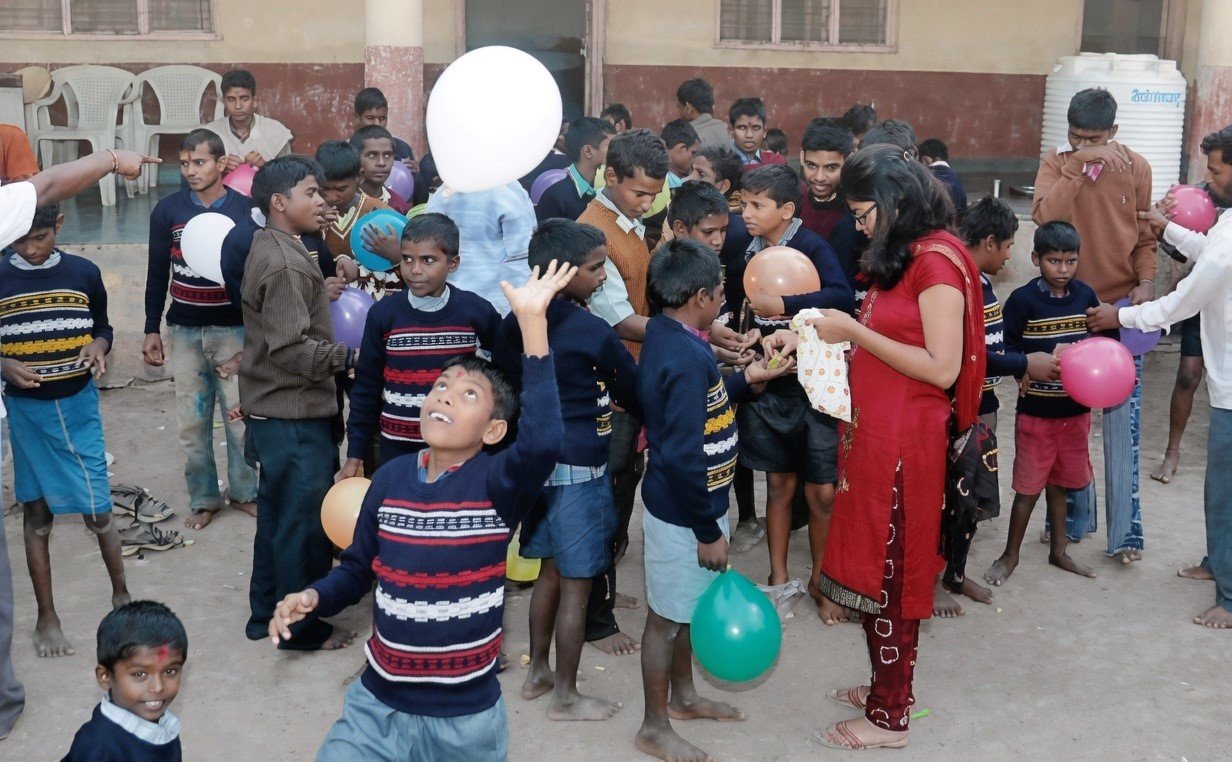
Learning, play, arts, and celebrations together.
0+
Nutrition and comfort shared around every table.
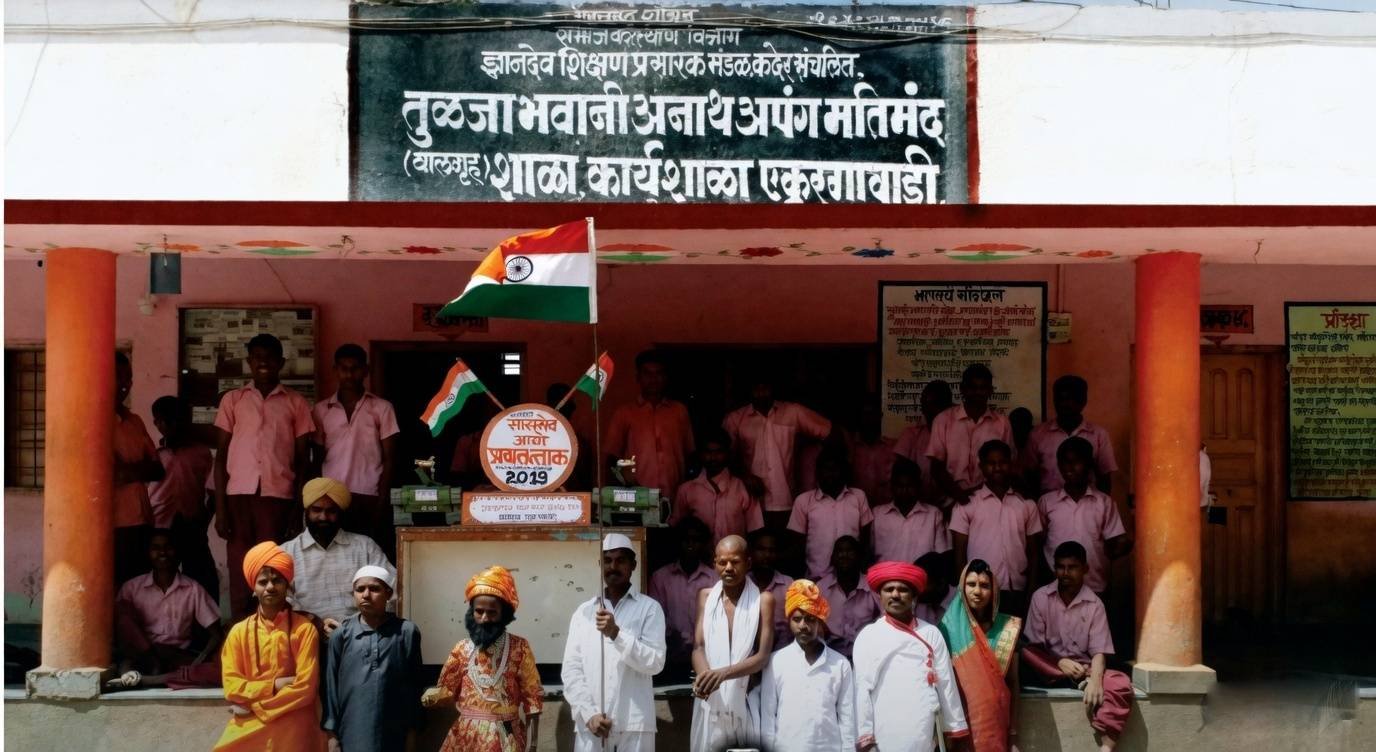
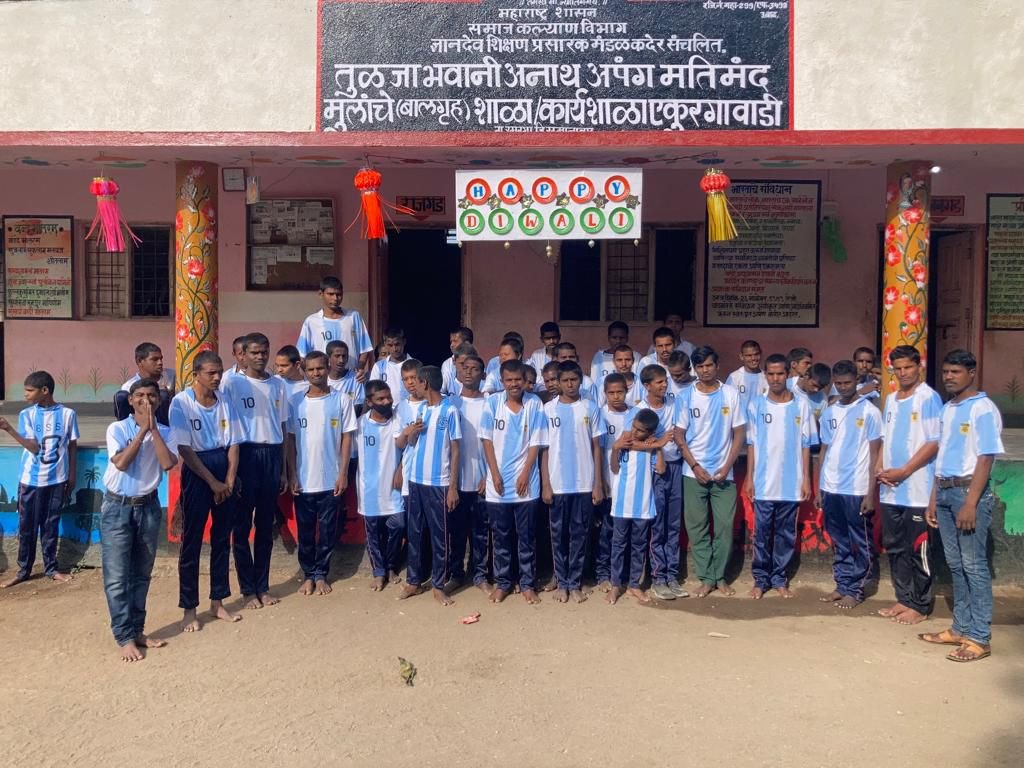
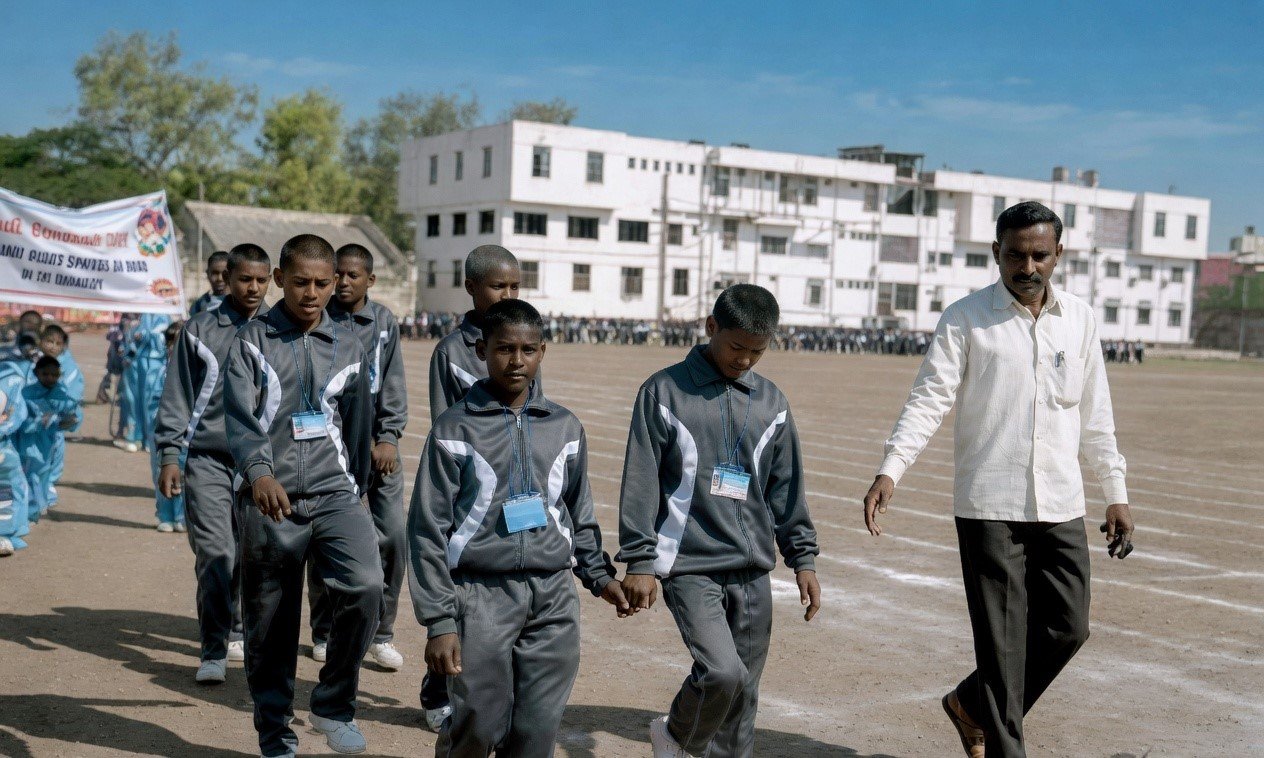
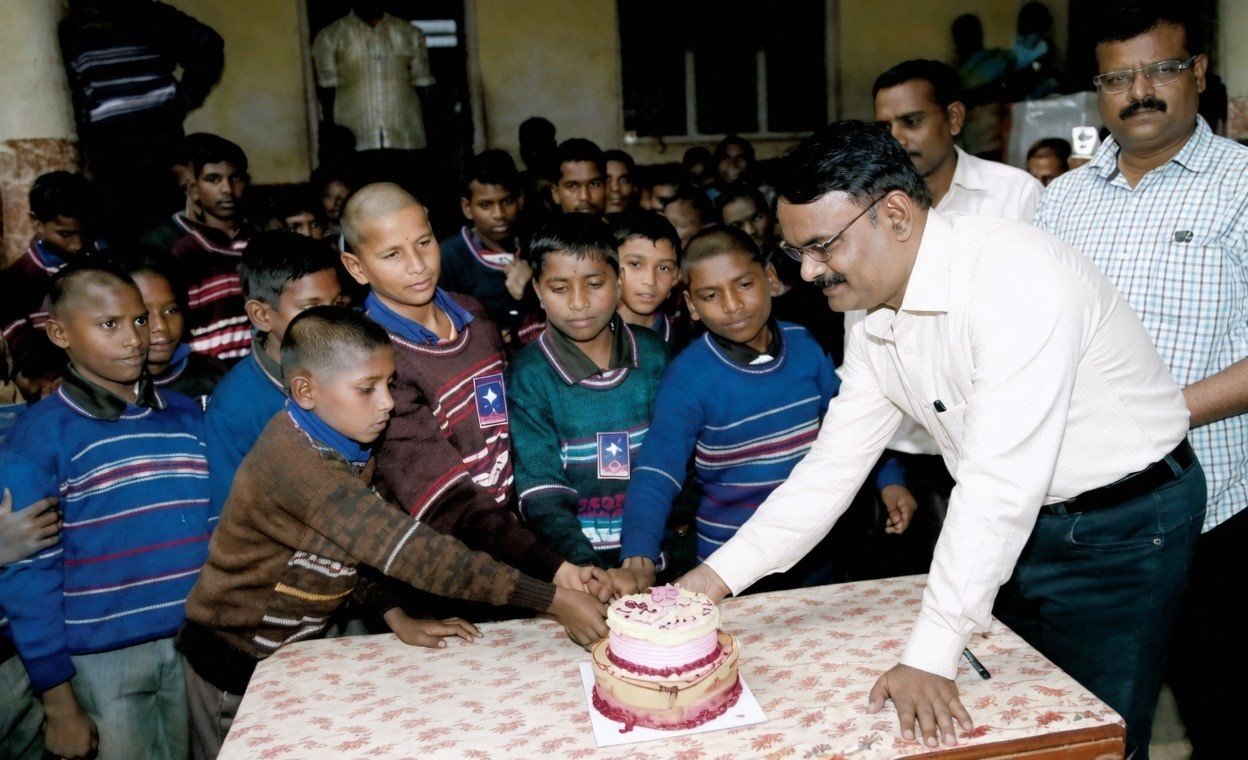
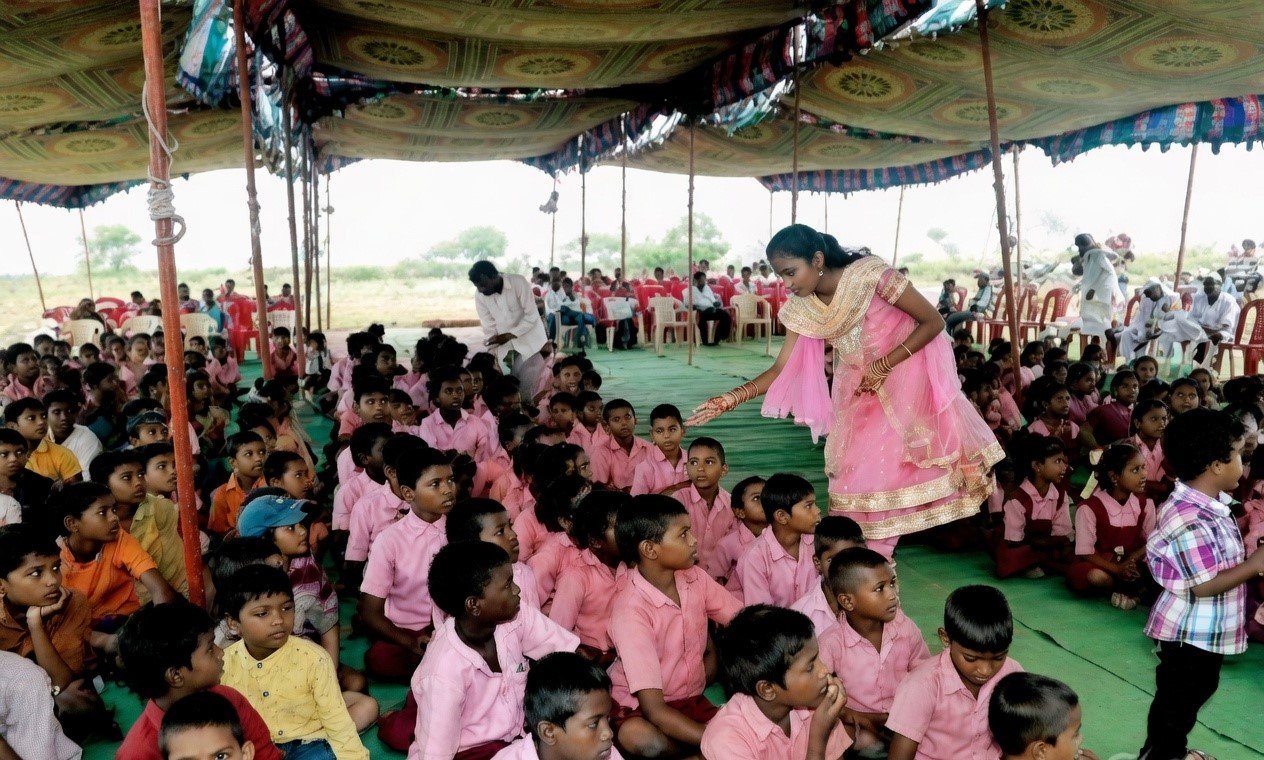
Festivals, national days, and cultural programs where children laugh, learn, and feel at home together.
Newspaper articles and coverage about our school and the trust’s work.
Institutions that shelter orphaned, neglected, disabled, abandoned, or ostracized children and women exist because poverty, accidents, fraud, divorce, abandonment, early motherhood, widowhood, and similar circumstances leave more people without support. Rebuilding their lives becomes a social necessity. At such times, compassionate and welfare-minded individuals come forward to help these unfortunate lives, and from those efforts—within personal limits—organized institutions such as orphanages emerge.
The term disabled is used for the blind, deaf-mute, multiple disabilities, mentally challenged, and others. But intellectual disability is very different from other forms of disability. In other disabilities, the person is aware of their condition and may strive to stand on their own feet. With education, training, and help from others and institutions, they can become partly self-reliant. That is not so with the mentally challenged. They do not have the awareness or understanding that something is lacking in them.
If mental disability is severe, then food, hygiene, protection, and daily care must be provided completely by guardians. The students in our institution are orphans. Therefore, mentally challenged orphan children suffer even more because they do not have family support.
To provide care, protection, and a rightful home for such children, this institution was established.
The Tuljabhavani Orphan, Disabled & Mentally Challenged Residential School works continuously for mentally challenged children. However, running such schools completely through donations is very difficult because the government does not provide grants for all students.
Many children stay in the institution for five to seven years. If sufficient funds and space are available, various developmental activities can be conducted under special education programs. But the major question remains: what will happen to these children in the future?
A permanent residential arrangement is necessary to care for them throughout their lives. However, very few people are ready to take such responsibility because it requires a large system, significant funding, and dedicated management.
Even though lifelong care for such students is extremely challenging, Tuljabhavani Orphan, Disabled & Mentally Challenged School continues this mission with the support of kind-hearted people in society.
The institution expects wholehearted support from everyone.
Greetings,
After the devastating Killari earthquake in 1993, the "Dnyandev Shikshan Prasarak Mandal" was established in 1996 to help orphaned children.
As the need for education and care for such students increased, the Tuljabhavani Orphan, Disabled & Mentally Challenged School was established in 2003.
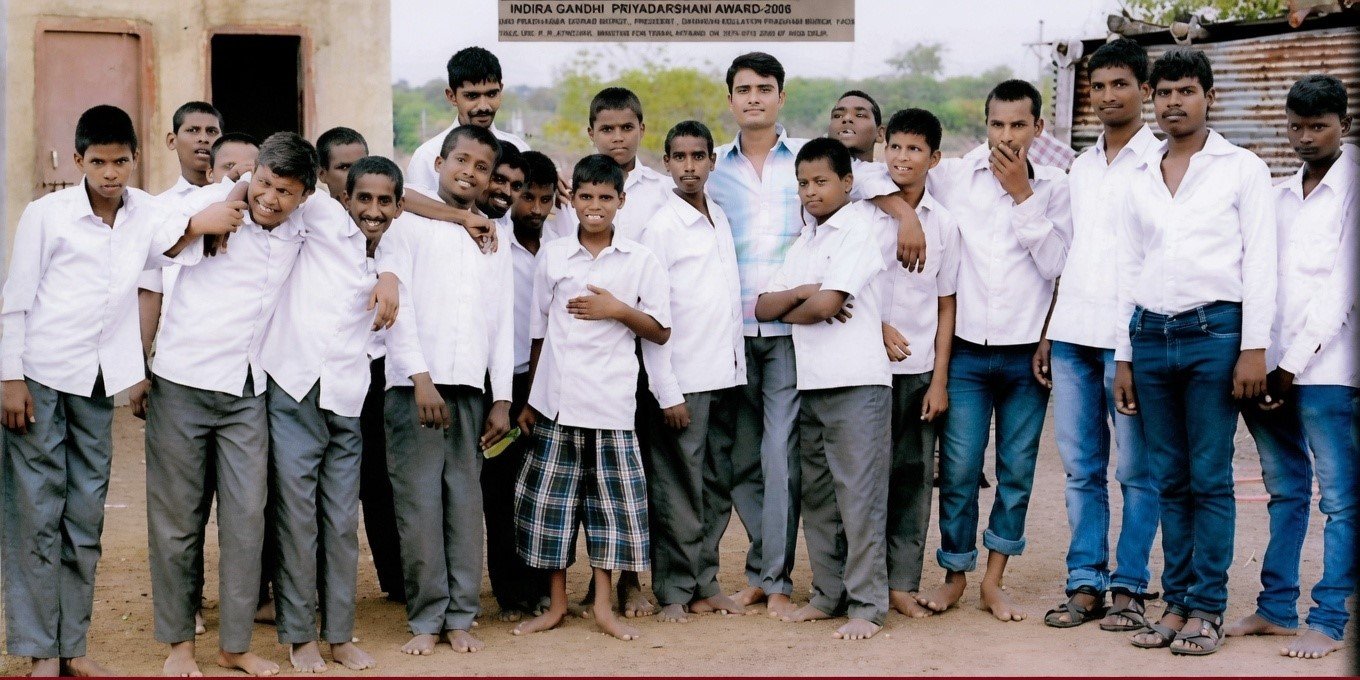
Initially, the institution searched for orphaned and neglected children in nearby areas and admitted them into the school.
In 2013, the government approved grants for the institution.
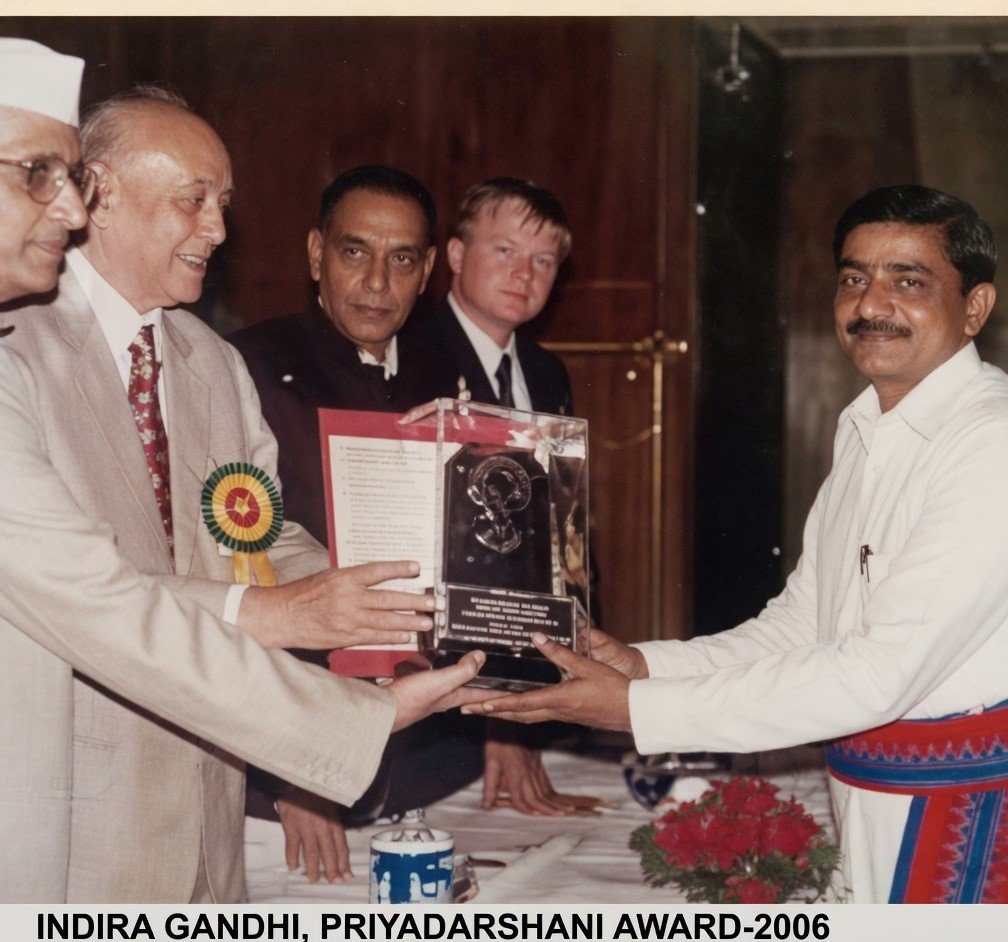
During difficult times, the institution's president, Prof. Siddram Shinde, worked tirelessly for these children. Recognizing his service, the government honored him with the Indira Gandhi Priyadarshini Award in 2006.
Prof. Siddram Shinde nurtured the Tuljabhavani Orphan, Disabled & Mentally Challenged School like a sapling. He even decided to donate his eyes after death.
On 3 November 2015, Prof. Shinde passed away tragically. His sudden death created a huge void in the institution.
However, former students and staff members continue to carry forward his mission with determination and dedication.
This work is not easy. It survives only because of the generous support of compassionate people in society.
The institution seeks everyone's wholehearted cooperation.
Voices from our home—shared with honesty. Open either card to read the full reflection.
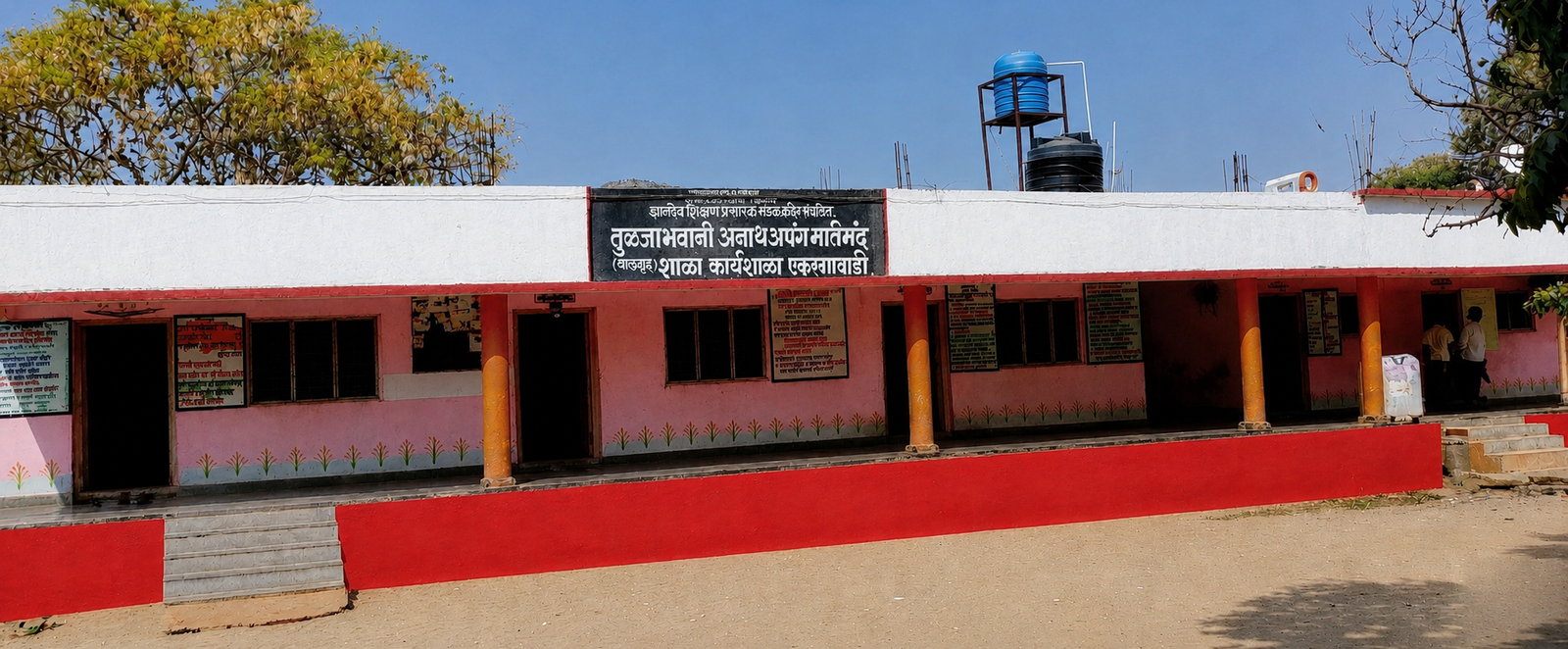
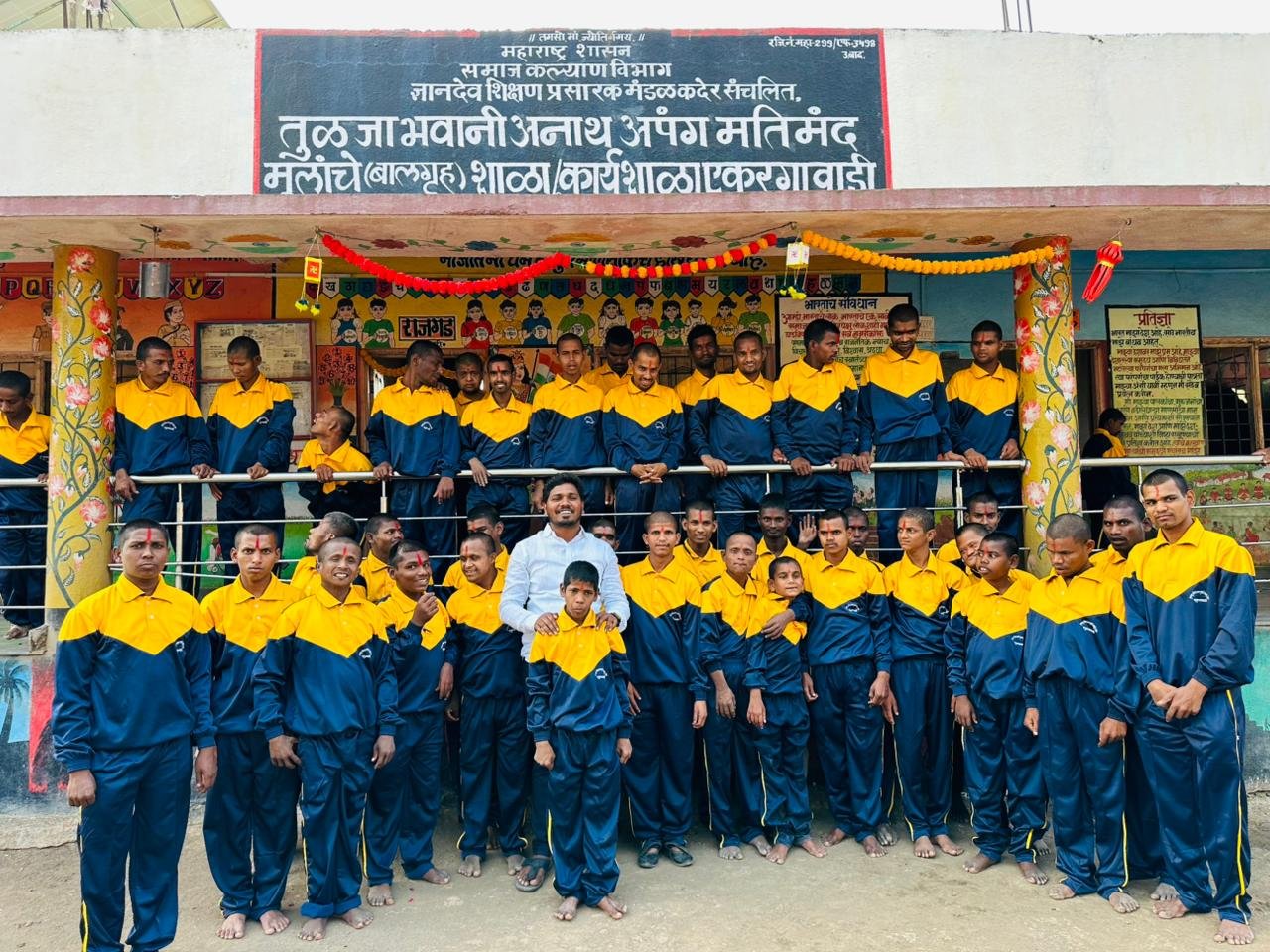
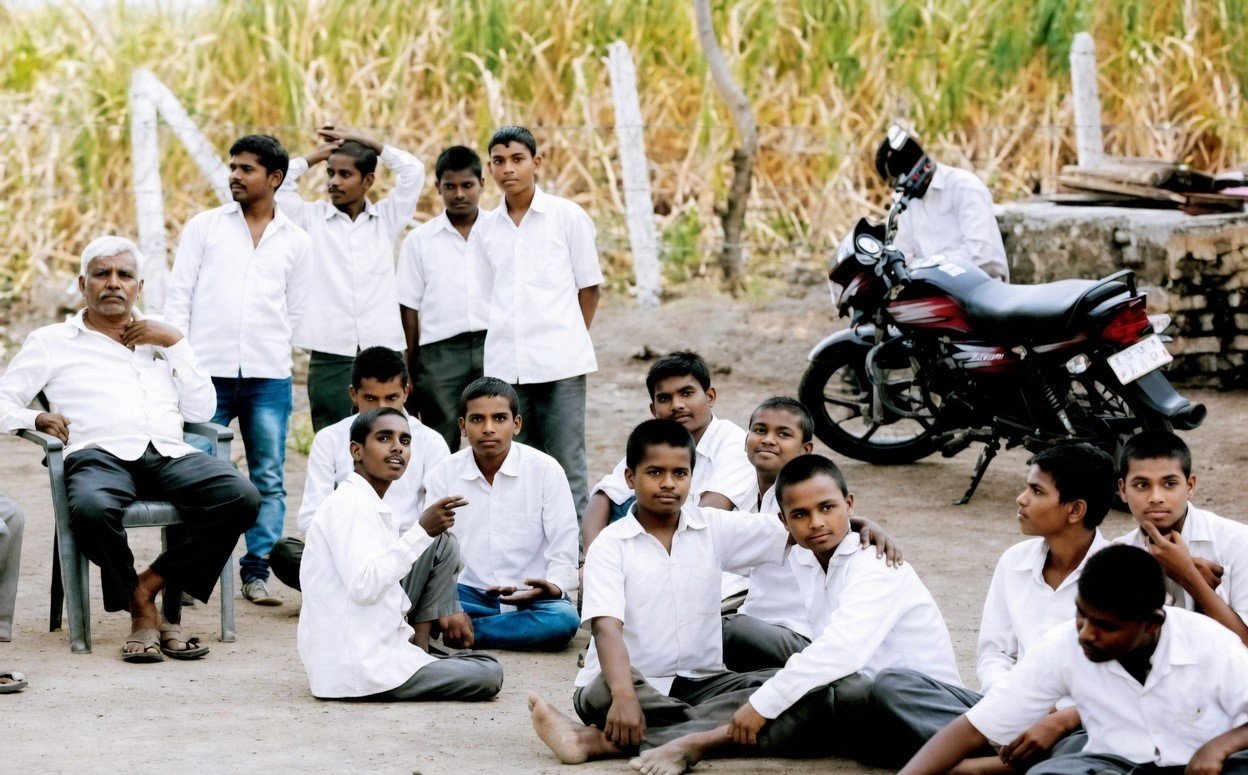
Moments of learning, play, and daily life at the home.
Regarding support for the institution caring for, educating, and rehabilitating children at Tuljabhavani Disabled, Mentally Challenged & Orphan Home.
Respected Sir/Madam,
With reference to the above subject, we request that you consider supporting the Tuljabhavani Disabled, Mentally Challenged & Orphan Children's Home / School run by Dnyandev Shikshan Prasarak Mandal, Kader at Ekurgaowadi, Tal. Umraga, Dist. Dharashiv. The institution cares for 70 children with disabilities—deaf-mute, intellectually challenged, bedridden, and fully abandoned orphans. The students are children deliberately abandoned or lost at public places such as bus stops, temples, and railway stations. They have no information about their own name, parents, caste, or religion. The school gives them names and builds their identity. These children are hungry for love. They wish someone would come to them, love them, and double their joy. We hope that through you our children's lives may become beautiful. The institution provides education, training, care, and rehabilitation, but because it works in a rural area, obtaining support is difficult.
Our children's disability is not their fault. God made you and us whole, but did not make these children whole. We believe it is also God's wish that through love and your cooperation, the great work of making these children whole may be accomplished through your hands and ours.
We hope to receive all the items listed above from you. All children at our institution have disabilities. We humbly request your help and cooperation so that we may see joy on their faces and double our children's happiness.
Reach out for visits, volunteering, or questions—or use the bank details below to support daily care, meals, and learning for our children.
Find us on the map
Ekurgawadi — Taluka Umarga, District Osmanabad (Dharashiv), Maharashtra